Can skill improve your chances in gambling scenarios?
The Role of Skill in Gambling
When discussing gambling, one might wonder how much of the game relies on skill versus chance. While many gambling activities, such as slot machines, are predominantly luck-based, other games like poker and blackjack require a significant amount of skill. Understanding this distinction can shape a player’s approach and potentially improve their odds. Players who invest time in mastering strategies and recognizing patterns can gain an edge over less experienced opponents.
Skillful players often exhibit traits that enhance their success in games that allow for strategic play. For instance, in poker, a deep understanding of probability, reading opponents, and managing one’s bankroll can lead to more favorable outcomes. The ability to make calculated decisions based on a variety of factors vastly increases a player’s chances of winning compared to those who rely purely on luck.

Moreover, skill is not only about knowing the rules of the game but also about cultivating a mindset that is conducive to success. For example, maintaining a positive attitude can help players remain resilient in the face of losses. The mental fortitude to bounce back from setbacks is a crucial element of skillful play. Experienced gamblers understand that losing is a part of the game and do not let it cloud their judgment or dampen their spirits.
The Psychology of Skill in Gambling
Beyond the mechanics of games, the psychological aspect of skill can also play a significant role. Understanding human behavior becomes crucial, especially in games where bluffing or reading opponents matters. Skilled players use psychological tactics to manipulate their opponents’ decisions, which can lead to increased winnings. This understanding enables players to make informed choices rather than impulsively reacting to the game.
Furthermore, awareness of one’s own emotional state can impact performance. Skilled gamblers are often better at controlling their emotions, allowing them to maintain focus and make rational decisions, even under pressure. This capacity for emotional control can separate successful players from their less skilled counterparts. For instance, during high-stakes situations, a well-aligned mental approach can facilitate better decision-making compared to players who allow their emotions to dictate their actions.
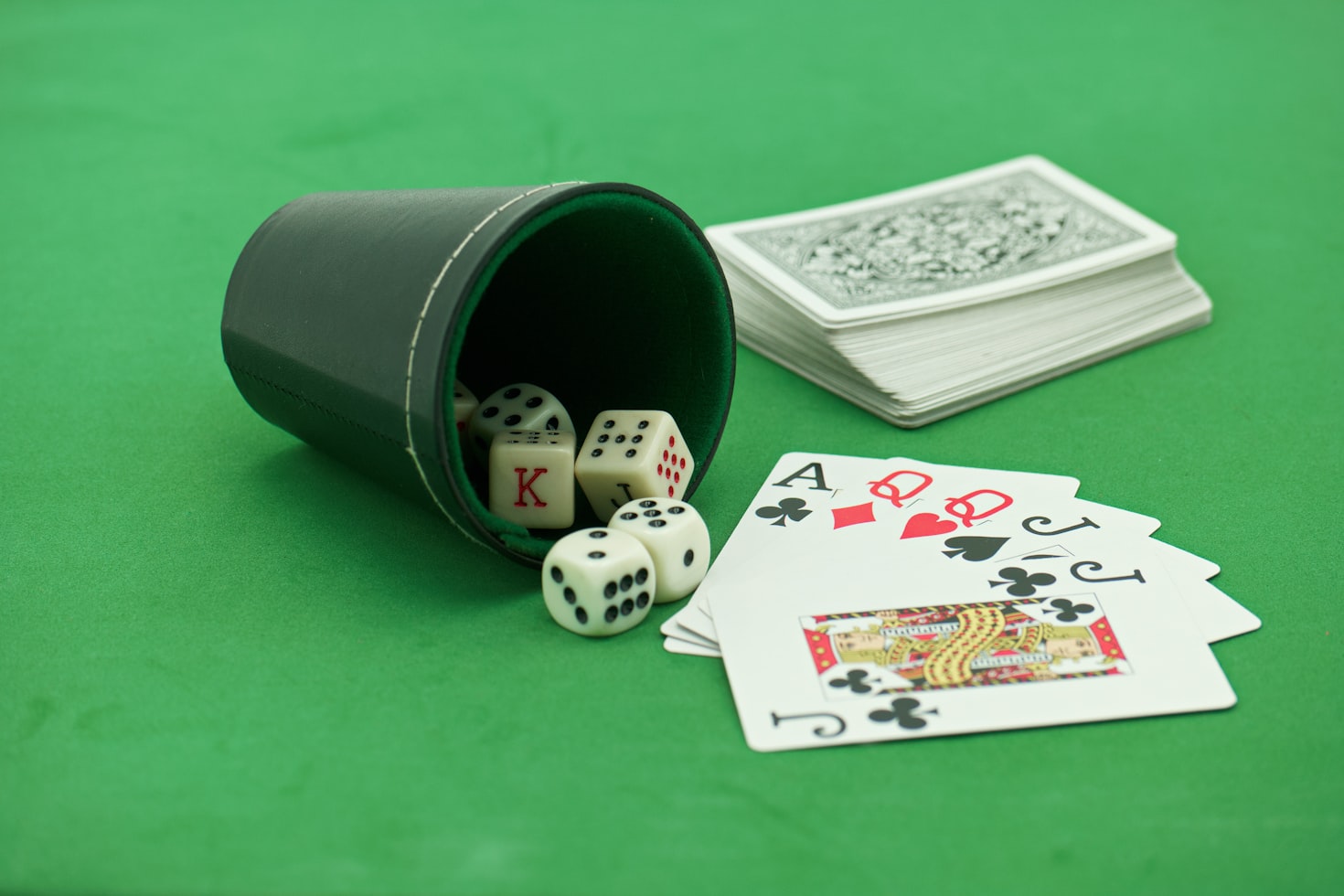
Additionally, developing a strong mental game involves establishing routines and rituals that help maintain concentration. Many professional gamblers take the time to develop pre-game rituals to calm their nerves and prepare themselves mentally. These practices can contribute significantly to a player’s long-term success and stability in their gambling pursuits.
Skills Versus Luck in Different Types of Gambling
Each gambling scenario presents its unique blend of skill and luck. For example, while the outcome of a single roll in craps is entirely random, games like blackjack present opportunities for strategic gameplay. Basic strategy charts can guide players on when to hit or stand based on their hand and the dealer’s face-up card, which can significantly decrease the house edge.
Moreover, games like sports betting require participants to analyze statistics, player performances, and past trends. Skilled bettors utilize their knowledge to identify value bets, improving their chances of successful wagers. These examples illustrate how skill can influence outcomes in gambling scenarios when players are willing to invest the necessary time and effort to refine their expertise. Ultimately, understanding the context of each game helps players tailor their strategies effectively.
In addition, some forms of gambling, such as poker tournaments, require players to engage in multi-faceted decision-making that evaluates not only their own hands but also the potential hands of their opponents. This combination requires practice and adaptation, making skill a crucial component in the long game. Players must also be able to adjust their gameplay style based on their competition and the dynamics of the table, further emphasizing the importance of skill over sheer luck.
Developing Skills for Improved Chances
To effectively increase one’s chances of winning in gambling scenarios, players should focus on developing particular skills. Engaging in practice sessions, studying game strategies, and evaluating past performances are all crucial components of skill enhancement. The more one invests in learning, the better their chances of gaining an edge over less informed players.
Additionally, online platforms and gaming communities offer valuable resources for aspiring gamblers. Tutorials, forums, and strategy guides can provide insights that may take years to acquire through individual experience alone. By leveraging these tools, players can streamline their skill development and significantly improve their performance in various gambling contexts.
Furthermore, joining study groups or clubs dedicated to specific games can foster a sense of community and shared knowledge. Collaborating with fellow enthusiasts allows players to learn from each other’s experiences, share tips, and discuss different strategies. This collective learning environment not only enhances individual skills but also helps maintain motivation and enthusiasm for the game.
About the Website
This article is an extension of the resources provided by https://adoptachurch1040.com/, which aims to equip readers with the knowledge necessary to navigate the complexities of gambling effectively. Understanding the balance of skill and luck is crucial for anyone participating in gambling activities.
The website encourages a thoughtful approach to gambling, emphasizing the importance of education and practice. By fostering a community that values skill and informed decision-making, readers are empowered to enhance their gambling experiences, potentially leading to more successful outcomes.
In summary, embracing the concepts of skill improvement can significantly elevate one’s experience in gambling. By investing time and effort in both the mechanical and psychological aspects of games, players can shift the odds in their favor. Whether it’s by refining specific strategies, honing mental fortitude, or engaging with educational resources, the journey toward becoming a skilled gambler is well worth the effort.